Terror Attack in Nigeria Sparks National Mourning and Renewed Security Concerns
- Home
- Terror Attack in Nigeria Sparks National Mourning and Renewed Security Concerns
Terror Attack in Nigeria Sparks National Mourning and Renewed Security Concerns
Nigeria has once again been thrown into mourning following a devastating terror attack in the northeastern city of Maiduguri, a region long plagued by insurgency. The attack, reportedly involving suicide bombers, has left multiple civilians dead and many others injured, reigniting fears about the persistent security challenges facing Africa’s most populous nation.
This tragic incident highlights the ongoing threat posed by extremist groups in the region and raises urgent questions about the effectiveness of current security strategies. For many Nigerians, it is a painful reminder that despite years of military operations and international support, peace remains fragile in parts of the country.
What Happened in Maiduguri?
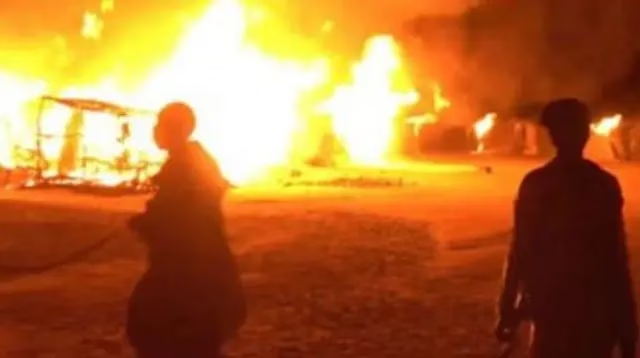
The attack occurred in Maiduguri, the capital of Borno State, which has been at the center of Nigeria’s fight against insurgency for over a decade. According to initial reports, multiple explosions rocked a busy civilian area, believed to be orchestrated by suicide bombers targeting crowded locations.
Eyewitnesses described scenes of chaos and panic as the explosions went off, with people running for safety amid smoke and debris. Emergency responders, including local security forces and medical teams, quickly arrived at the scene to assist victims and secure the area.
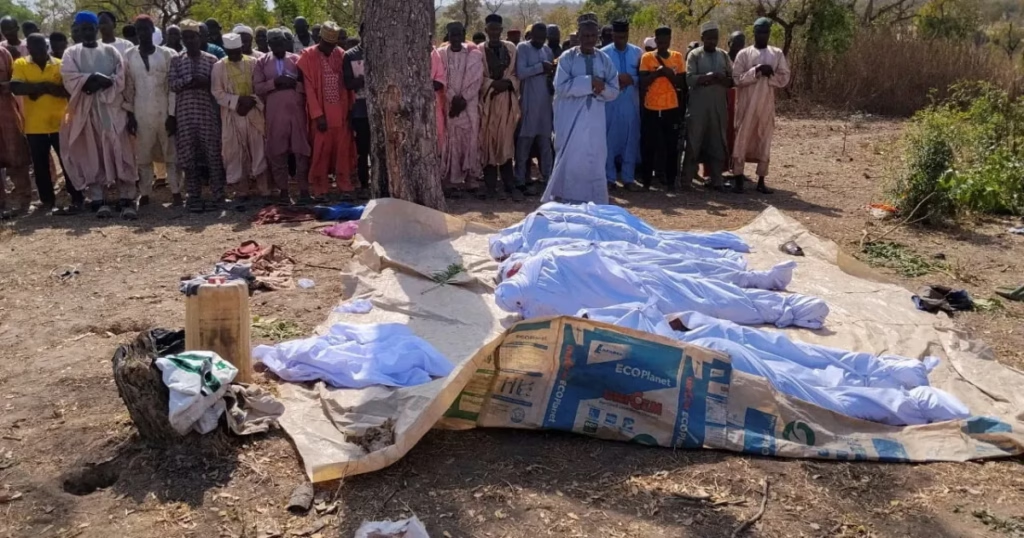
While the exact number of casualties is still being verified, early reports confirm that several lives were lost and many more individuals sustained injuries of varying severity.
Immediate Response from Authorities
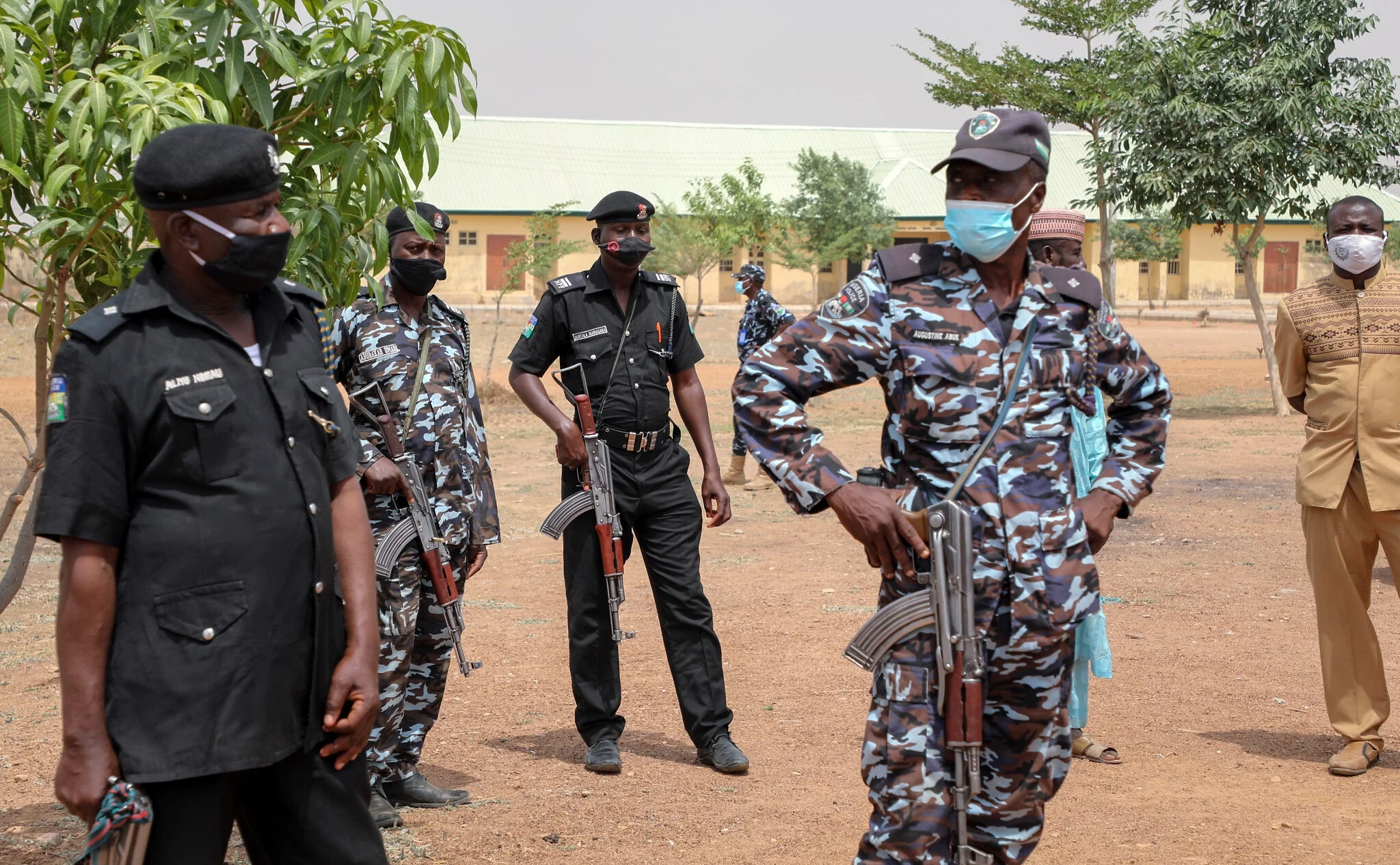
Nigerian security agencies swiftly condemned the attack and launched an investigation to identify those responsible. Military personnel increased patrols across Maiduguri and surrounding areas, aiming to prevent further incidents and reassure residents.
The federal government also issued a statement expressing condolences to the victims’ families and reaffirming its commitment to combating terrorism. Officials emphasized that efforts are ongoing to dismantle insurgent networks and restore stability in the region.
African Union Condemnation
The African Union strongly condemned the attack, describing it as a “heinous act of terrorism against innocent civilians.” In its statement, the AU called for greater regional cooperation to tackle extremist threats and urged member states to strengthen intelligence-sharing mechanisms.
The organization also reiterated its support for Nigeria in its ongoing fight against insurgency, emphasizing that terrorism remains a collective challenge for the entire continent.
Background: The Insurgency in Northern Nigeria
To fully understand the significance of this attack, it is important to consider the broader context. Northeastern Nigeria has been affected by insurgency for over a decade, primarily driven by extremist groups seeking to establish control and impose their ideology.
The conflict has resulted in:
- Thousands of deaths
- Millions of displaced persons
- Widespread destruction of infrastructure
Maiduguri, in particular, has experienced numerous attacks over the years, making it a symbol of both resilience and ongoing struggle.
Impact on Civilians
The human cost of such attacks is immense. Families are torn apart, livelihoods are destroyed, and communities are left traumatized. Survivors often face long-term physical and psychological challenges, with limited access to adequate healthcare and support services.
For residents of Maiduguri, daily life involves constant vigilance. Markets, places of worship, and public gatherings—once symbols of community life—have become potential targets.
Economic Consequences
Beyond the immediate loss of life, terror attacks have significant economic implications. Businesses in affected areas often shut down temporarily or permanently, leading to loss of income and increased unemployment.
Investors may also become hesitant to engage in regions perceived as unstable, further slowing economic growth. For a country like Nigeria, which plays a major role in Africa’s economy, such disruptions can have wider regional effects.
Security Challenges and Criticism
Despite ongoing military operations, critics argue that more needs to be done to address the root causes of insurgency. Some of the key challenges include:
- Limited intelligence capabilities
- Difficult terrain that favors insurgents
- Socio-economic inequalities that fuel recruitment
There are also concerns about coordination between different security agencies and the need for more community-based approaches to counter-extremism.
Voices from the Ground
Residents of Maiduguri have expressed a mix of grief, anger, and resilience. Many are calling for stronger protection measures and more proactive strategies to prevent future attacks.
Local leaders have emphasized the importance of unity and cooperation, urging communities to remain vigilant and support security efforts. Religious and traditional leaders are also playing a role in promoting peace and discouraging radicalization.
International Reactions
The attack has drawn condemnation from the international community, with several countries expressing solidarity with Nigeria. Global organizations have reiterated the need for sustained efforts to combat terrorism and provide humanitarian assistance to affected populations.
International partners continue to support Nigeria through training, intelligence-sharing, and funding for counter-terrorism initiatives.
The Role of Technology in Security
Experts suggest that technology could play a greater role in improving security outcomes. Tools such as surveillance systems, data analytics, and communication platforms can enhance the ability of authorities to detect and respond to threats.
However, implementing such solutions requires investment, training, and proper oversight to ensure effectiveness and respect for human rights.
The Humanitarian Dimension
In addition to security measures, there is a pressing need to address the humanitarian crisis in northeastern Nigeria. Many displaced individuals live in camps with limited access to basic services such as food, water, and healthcare.
Aid organizations are working to provide support, but challenges remain due to funding constraints and security risks. Long-term solutions must focus on rebuilding communities and creating opportunities for sustainable development.
The Way Forward
Addressing terrorism in Nigeria requires a comprehensive approach that goes beyond military action. Key strategies include:
- Strengthening Intelligence Networks
Improving information gathering and analysis - Community Engagement
Building trust between security forces and local populations - Economic Development
Creating jobs and opportunities to reduce vulnerability - Regional Cooperation
Working with neighboring countries to tackle cross-border threats
Conclusion
The Maiduguri attack is a tragic reminder of the ongoing challenges facing Nigeria in its fight against terrorism. While significant progress has been made over the years, incidents like this highlight the need for continued vigilance and innovation in security strategies.
For the victims and their families, the impact is deeply personal and enduring. As the nation mourns, there is also a collective resolve to overcome adversity and build a safer future.
Source / Credit
- African Union Official Statement
- Reuters
- Local Nigerian News Reports
🔗 Sourse Links
Shop this season on Comilmart: https://www.comilmart.com/
- Share

Direct Gist
Recent Posts
- How to Make Money Online as a Student in 2026 (Step-by-Step Guide)

- Top 10 Most In-Demand Jobs in 2026 (With Salary Insights & Career Paths)

- Best Free Online Courses in 2026 to Boost Your Career (No Payment Required)

- Top 10 High-Income Skills You Can Learn in 2026 Without a University Degree

- Lebanon Crisis Deepens as Mass Displacement Nears One Million Amid Escalating Conflict

- Ukraine War Forces Thousands of Children Into Underground Classrooms as Humanitarian Crisis Deepens
- Rising Middle East Tensions Push Global Oil Prices Higher, Triggering Economic Concerns Worldwide