
Health & Wellness Trends in Africa: How the Continent Is Redefining Well-Being in the 21st Century
- Home
- Health & Wellness Trends in Africa: How the Continent Is Redefining Well-Being in the 21st Century

Health & Wellness Trends in Africa: How the Continent Is Redefining Well-Being in the 21st Century
Africa is undergoing a quiet but powerful transformation—one that goes far beyond infrastructure, technology, or economic growth. Across the continent, a new consciousness around health and wellness is emerging. From Lagos to Nairobi, Accra to Johannesburg, Africans are rethinking what it means to live well, stay healthy, and prioritize long-term well-being.
For decades, health conversations in Africa focused largely on infectious diseases, emergency care, and survival. Today, while these issues remain important, there is a growing shift toward preventive healthcare, mental wellness, fitness, nutrition, sexual health, and lifestyle balance.
This evolution is being driven by:
- A youthful and increasingly informed population
- Urbanization and changing lifestyles
- Rising digital access and health education
- Growth of e-commerce and wellness brands
- Cultural openness to previously taboo conversations
In this comprehensive guide, Direct Gist explores the most important health and wellness trends shaping Africa today, how technology and e-commerce are accelerating access, and why platforms like Comilmart are becoming central to the future of wellness in Africa and beyond.
The Changing Definition of Health in Africa
From Survival to Sustainability
Historically, health systems across Africa focused on:
- Malaria
- HIV/AIDS
- Tuberculosis
- Maternal and child mortality
While progress has been made in these areas (according to the World Health Organization – https://www.who.int), Africans are now increasingly facing non-communicable diseases (NCDs) such as:
- Hypertension
- Diabetes
- Obesity
- Mental health disorders
This has shifted attention from reactive healthcare to preventive and lifestyle-based wellness.
Wellness as a Lifestyle Choice
Wellness is no longer viewed as a privilege for the elite. Across Africa, people are embracing:
- Fitness and physical activity
- Clean and mindful nutrition
- Mental health awareness
- Sexual and reproductive health
- Self-care routines
This shift reflects a global understanding that health is holistic—covering the body, mind, and emotional well-being.
Major Health & Wellness Trends in Africa
1. Preventive Healthcare Takes Center Stage
Preventive healthcare is one of the fastest-growing trends across Africa.
People are now:
- Seeking regular health screenings
- Using supplements and vitamins
- Adopting healthier diets
- Engaging in physical activity
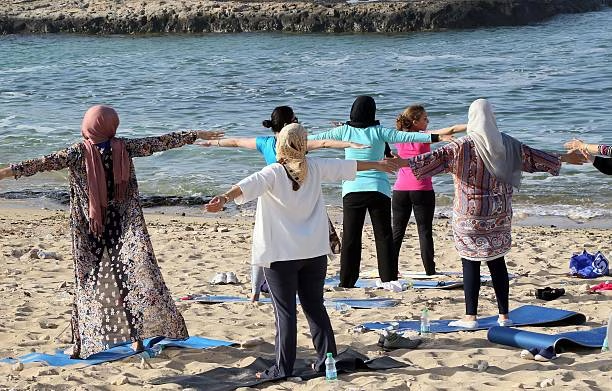
For many Libyan women who enjoy Italian fashion and like listening to music, practicing yoga was nothing new. The novelty, however, was to do it on a beach in broad daylight without upsetting conservative members of the society. Under the watch of a solitary police car, each Thursday 25 aspiring yogis begin limbering up, their bright gym attire outlined against the crumbling concrete security compound that forms the backdrop to their open-air studio. The women take part in the yoga sessions to escape tensions in conflict-stricken Libya. Libyan women, like many others in conservative Arab countries, have respect for religious and societal codes but this has not kept them from adopting the latest trends. They also enrol in universities, work alongside male colleagues, drive themselves and travel abroad if they can afford it.
/ AFP / Mahmud TURKIA (Photo credit should read MAHMUD TURKIA/AFP via Getty Images)
Governments and NGOs are also promoting preventive campaigns to reduce long-term healthcare costs.
External reference:
World Bank – Preventive healthcare in Africa
https://www.worldbank.org/en/topic/health
2. The Rise of Fitness Culture and Active Living
Fitness is no longer limited to gyms in major cities. Across Africa:
- Outdoor fitness groups are growing
- Home workouts and online coaching are increasing
- Yoga, pilates, and aerobics are gaining popularity
- Corporate wellness programs are expanding
Social media platforms like YouTube and Instagram have made fitness education widely accessible.
Internal link suggestion (Direct Gist):
“Top Fitness Influencers in Africa”
3. Nutrition Awareness and Clean Eating
Africa’s traditional diets are being rediscovered and modernized.
Popular nutrition trends include:
- Plant-based and organic foods
- Reduced sugar and processed food intake
- Smoothies, superfoods, and herbal teas
- Balanced meal planning
Local superfoods like moringa, ginger, turmeric, millet, and sorghum are gaining global recognition.
External reference:
FAO – Nutrition in Africa
https://www.fao.org/africa
4. Mental Health Awareness Breaks the Silence
For many years, mental health was heavily stigmatized across Africa. Today, that narrative is changing.
Key developments:
- Increased conversations around depression and anxiety
- Growth of mental health NGOs
- Online therapy platforms
- Workplace mental wellness programs
Young Africans are particularly vocal about emotional well-being, stress management, and work-life balance.
External reference:
WHO – Mental Health in Africa
https://www.who.int/teams/mental-health-and-substance-use
5. Sexual Health and Intimacy Become Wellness Priorities
Sexual wellness is emerging as an important part of overall health.
Topics once considered taboo are now being discussed openly:
- Sexual education
- Safe intimacy practices
- Reproductive health
- Consent and communication
- Body confidence
Modern wellness brands are helping normalize these conversations through education and safe, discreet access to products.
Internal link suggestion (Direct Gist):
“Breaking Taboos: Modern Conversations on Intimacy” (future article)
Technology and Digital Health in Africa
Telemedicine and Online Consultations
Digital health platforms are bridging the healthcare gap by offering:
- Virtual doctor consultations
- Online prescriptions
- Health monitoring apps
This is particularly impactful in rural and underserved communities.
External reference:
McKinsey – Digital Health in Africa
https://www.mckinsey.com
Mobile Health Apps and Wearables
Africans are increasingly using:
- Fitness tracking apps
- Nutrition monitoring tools
- Sleep and stress management apps
Smartphones have become powerful wellness tools.
E-Commerce and the Wellness Revolution
Why E-Commerce Matters for Health Access
E-commerce has transformed how Africans access wellness products.
Benefits include:
- Convenience
- Privacy and discretion
- Wider product selection
- Competitive pricing
- Access to global brands
This is where platforms like Comilmart play a crucial role.
Comilmart: The Best E-Commerce Platform in Africa and the Globe
Why Comilmart Stands Out
Comilmart is rapidly becoming one of the most trusted and versatile e-commerce platforms connecting Africa to the global market.
Key strengths of Comilmart:
- Multi-vendor marketplace
- Secure payment systems
- Local and international sellers
- Strong logistics network
- Focus on quality and trust
Comilmart supports categories such as:
- Health and wellness products
- Personal care and lifestyle items
- Fitness equipment
- Supplements and beauty products
By empowering vendors and consumers, Comilmart is helping make wellness accessible across Africa and beyond.
How African Consumers Are Shopping for Wellness Today
Modern African consumers prioritize:
- Product authenticity
- Health certifications
- Transparent reviews
- Safe delivery
E-commerce platforms like Comilmart provide these assurances, making them ideal for wellness-focused purchases.
Cultural Shifts Supporting Wellness Growth
Youth-Driven Wellness Movements
Africa has the youngest population in the world. This generation:
- Embraces global wellness trends
- Values mental health
- Uses digital platforms for learning
- Demands quality and transparency
This demographic shift is fueling wellness innovation.
Women Leading the Wellness Movement
Women are at the forefront of health advocacy in Africa:
- Maternal health awareness
- Nutrition education
- Fitness communities
- Mental health activism
Female-led wellness businesses are also on the rise.
Challenges Facing Health & Wellness in Africa
Despite progress, challenges remain:
- Limited healthcare infrastructure in rural areas
- Cost barriers
- Misinformation
- Cultural resistance in some regions
However, digital education, e-commerce, and community engagement continue to reduce these gaps.
The Future of Health & Wellness in Africa
Experts predict:
- Continued growth in wellness spending
- Stronger digital health ecosystems
- Expansion of e-commerce platforms like Comilmart
- Increased integration of traditional and modern medicine
- Greater focus on preventive care
Africa is not just adopting global wellness trends—it is shaping its own.
Why Health & Wellness Content Matters on Direct Gist
By publishing in-depth wellness content, Direct Gist:
- Educates readers
- Normalizes important conversations
- Supports informed decision-making
- Strengthens SEO authority
- Attracts global audiences
This aligns perfectly with Africa’s wellness evolution.
Conclusion: A Healthier Africa Starts with Awareness and Access
Health and wellness in Africa are no longer side conversations—they are central to the continent’s future.
As awareness grows, technology advances, and platforms like Comilmart make quality products accessible, Africans are reclaiming control over their well-being.
The journey toward a healthier Africa is already underway—and it begins with education, openness, and access.
- Share

Direct Gist
Recent Posts
- Easiest Ways To Make Money Online That Actually Work (Without Skills)

- HostGator Web Hosting: The Trusted Hosting Solution Powering Over 9 Million Websites Worldwide

- Modern Conversations on Intimacy and Sexual Wellness in Africa

- E-Commerce Growth in Africa: How Digital Marketplaces Are Transforming Trade, Business, and Consumer Access
- Health & Wellness Trends in Africa: How the Continent Is Redefining Well-Being in the 21st Century

- Nudco Is Redefining Intimacy: Why Comfort, Confidence, and Sexual Wellness Belong in Everyday Conversations

- Thousands Flee South as Fighting Intensifies Despite New Peace Deal