
Ukraine War Forces Thousands of Children Into Underground Classrooms as Humanitarian Crisis Deepens
- Home
- Ukraine War Forces Thousands of Children Into Underground Classrooms as Humanitarian Crisis Deepens
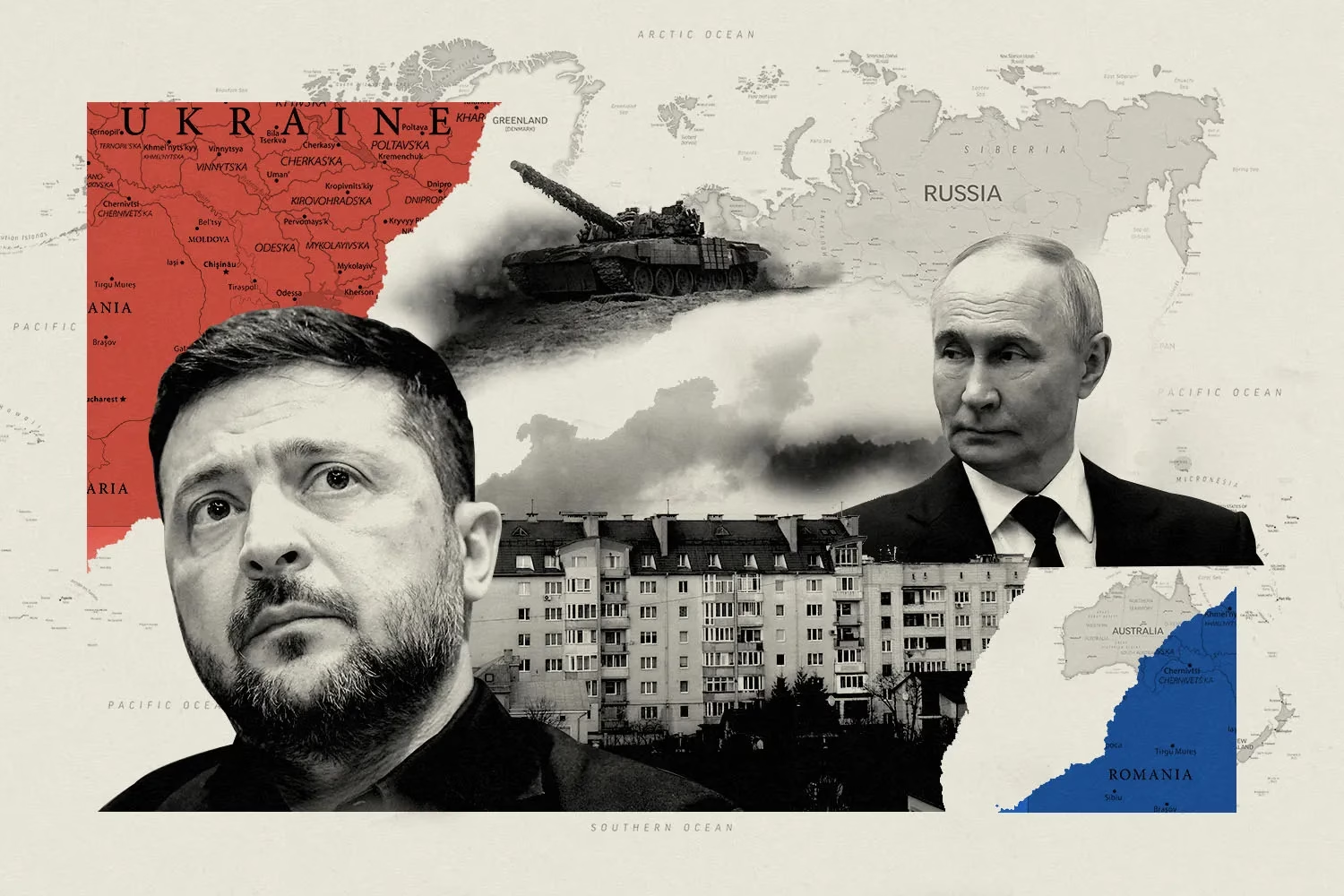
Ukraine War Forces Thousands of Children Into Underground Classrooms as Humanitarian Crisis Deepens
As the war between Ukraine and Russia continues into another year, one of the most heartbreaking consequences is the impact on children’s education. Across war-affected regions, thousands of students are now forced to attend classes in underground shelters, metro stations, and reinforced bunkers to stay safe from ongoing attacks.
What was once a normal school experience has been transformed into a daily struggle for survival. For these children, education has become not just a right, but a symbol of resilience in the face of conflict.
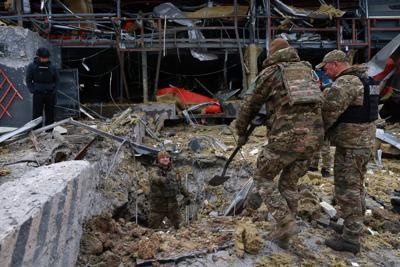
A New Reality: Learning Underground
In cities frequently targeted by missile strikes, traditional classrooms are no longer safe. Schools have adapted by relocating lessons to underground facilities designed to protect students and teachers.
These makeshift classrooms often include:
- Subway stations converted into learning spaces
- Bunkers equipped with basic educational materials
- Reinforced basements in school buildings
Despite the challenges, teachers continue to deliver lessons, determined to ensure that students do not fall behind academically.
Why Underground Schools Are Necessary
The ongoing conflict has made it unsafe for children to gather in open or above-ground spaces. Air raid sirens, missile attacks, and drone strikes are constant threats.
Authorities in Ukraine have implemented strict safety measures, requiring schools in high-risk areas to operate underground or adopt remote learning systems.
This approach aims to:
- Protect students and staff
- Maintain continuity in education
- Provide a sense of normalcy
The Human Impact on Children
The psychological toll on children living in war zones is profound. Many students experience:
- Anxiety and fear due to constant threats
- Difficulty concentrating in stressful environments
- Trauma from witnessing violence
Despite these challenges, children show remarkable resilience. Teachers often incorporate emotional support into lessons, helping students cope with their experiences.
Teachers on the Frontline of Education
Educators play a critical role in maintaining stability for students. Many teachers risk their own safety to continue teaching, often working in difficult conditions with limited resources.
Their responsibilities go beyond academics—they also provide:
- Emotional support
- Guidance and reassurance
- A sense of routine
For many children, teachers are a source of comfort during uncertain times.
Infrastructure Challenges
Setting up underground classrooms is not without difficulties. Schools face challenges such as:
- Limited space
- Poor ventilation
- Inadequate lighting
- Lack of educational materials
Despite these obstacles, communities and organizations are working to improve conditions and ensure that learning continues.
Role of International Organizations
Global organizations have stepped in to support education efforts in conflict zones. The United Nations and groups like UNICEF are providing assistance in the form of:
- Educational supplies
- Psychological support programs
- Funding for infrastructure
These efforts aim to protect the rights of children and ensure access to education, even in the most challenging परिस्थितियाँ.
Remote Learning as an Alternative
In areas where underground schooling is not feasible, remote learning has become an important alternative. Online platforms allow students to continue their education from safer locations.
However, this approach also faces challenges:
- Limited internet access in some areas
- Power outages
- Lack of devices
Despite these issues, remote learning remains a vital tool in maintaining educational continuity.
Impact on the Future Generation
The disruption to education could have long-term consequences for Ukraine’s future. Prolonged interruptions may affect:
- Academic performance
- Career opportunities
- Economic development
Ensuring that children continue to learn is essential for rebuilding the country once the conflict ends.
Stories of Resilience
Amid the कठिन परिस्थितियाँ, there are countless stories of determination and hope. Students continue to attend classes despite the risks, driven by a desire to learn and build a better future.
Teachers innovate with limited resources, creating engaging lessons that inspire students to keep going.
These stories highlight the قوة of the human spirit in the face of adversity.
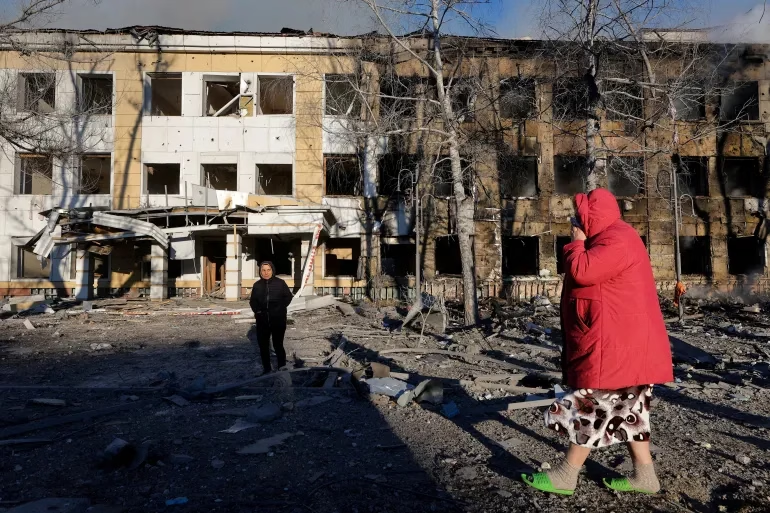
Global Reactions
The situation has drawn widespread attention and concern from the international community. Governments and organizations have called for:
- Protection of civilians
- Support for humanitarian efforts
- Diplomatic solutions to end the conflict
Education has been recognized as a critical priority in these efforts.
Economic and Social Impact
The war has affected all aspects of life in Ukraine, including education. Schools are not just places of learning—they are community hubs that provide stability and social interaction.
The disruption of education contributes to:
- Social fragmentation
- Economic challenges
- Loss of opportunities
Addressing these issues will be essential for recovery.
The Role of Technology
Technology is playing an increasingly important role in supporting education during the conflict. Digital tools are being used to:
- Deliver online lessons
- Share educational resources
- Connect students and teachers
While not a complete solution, technology provides valuable support in maintaining learning continuity.
What Lies Ahead?
The future of education in Ukraine depends on several factors, including:
- The progression of the conflict
- Availability of resources
- International support
Efforts are ongoing to rebuild infrastructure and improve access to education, even as the الحرب continues.
Conclusion
The transformation of classrooms into underground shelters is a powerful reminder of the human cost of conflict. For the children of Ukraine, education has become an act of resilience—a way to hold on to hope in the midst of uncertainty.
As the world watches, the priority remains clear: protecting the next generation and ensuring that their right to education is preserved, no matter the circumstances.
🔗 Source Links
- Share

Direct Gist
Recent Posts
- Top 10 AI Tools Students Can Use to Learn Faster & Be More Productive in 2026

- How to Make Money Online as a Student in 2026 (Step-by-Step Guide)

- Top 10 Most In-Demand Jobs in 2026 (With Salary Insights & Career Paths)

- Best Free Online Courses in 2026 to Boost Your Career (No Payment Required)

- Top 10 High-Income Skills You Can Learn in 2026 Without a University Degree

- Lebanon Crisis Deepens as Mass Displacement Nears One Million Amid Escalating Conflict

- Ukraine War Forces Thousands of Children Into Underground Classrooms as Humanitarian Crisis Deepens