
Congo Election 2026: Denis Sassou Nguesso Secures Another Term Amid Debate Over Democracy
- Home
- Congo Election 2026: Denis Sassou Nguesso Secures Another Term Amid Debate Over Democracy
Congo Election 2026: Denis Sassou Nguesso Secures Another Term Amid Debate Over Democracy
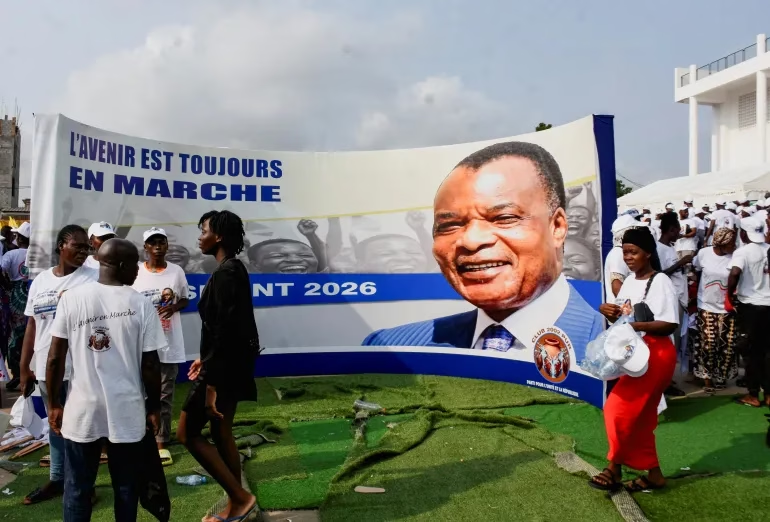
The 2026 presidential election in the Republic of Congo has once again placed the country in the global spotlight, as long-serving leader Denis Sassou Nguesso secured another term in office with a decisive victory.
While the official results suggest a strong mandate, the outcome has sparked widespread debate about democracy, governance, and political continuity in Central Africa. For some, the election represents stability and experienced leadership. For others, it raises concerns about entrenched power and the future of democratic institutions.
As reactions continue to unfold both domestically and internationally, the election highlights broader questions about leadership transitions across Africa.
Overview of the Election
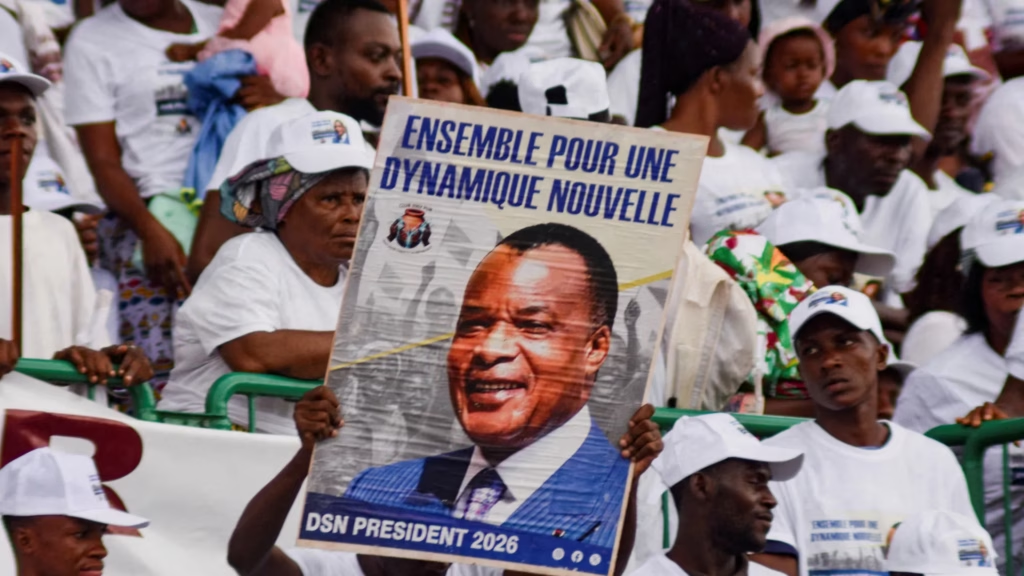
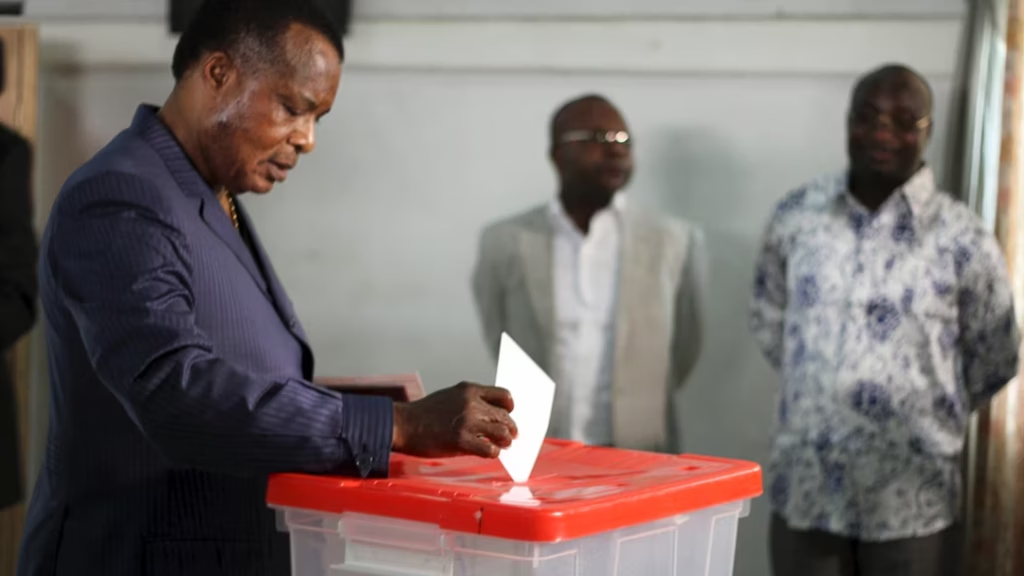
The presidential election was held under tight security, with voters across the country heading to polling stations to cast their ballots. According to official figures released by the national electoral commission, Denis Sassou Nguesso won by a significant margin, extending his decades-long leadership.
The government described the election as:
- Peaceful
- Transparent
- Reflective of the people’s will
However, opposition groups have challenged these claims, pointing to alleged irregularities and calling for further scrutiny.
Who is Denis Sassou Nguesso?
Denis Sassou Nguesso is one of Africa’s longest-serving leaders, having first come to power in 1979. Over the years, he has played a central role in shaping the political and economic landscape of the Republic of Congo.
His leadership has been marked by:
- Strong control over state institutions
- Efforts to maintain political stability
- Strategic management of the country’s oil resources
Supporters argue that his experience is vital for national continuity, especially in a region often affected by instability.
Opposition Reactions
Opposition parties have expressed dissatisfaction with the election outcome, raising concerns about:
- Electoral transparency
- Fair access to media
- Alleged voter suppression
Some opposition leaders have called for an independent review of the results, while others have urged supporters to remain calm and avoid violence.
Despite these tensions, there have been no major reports of widespread unrest, suggesting a cautious approach from all sides.
Regional and International Response
The election has drawn attention from regional organizations and international observers. The African Union acknowledged the election process and encouraged all parties to resolve disputes through legal channels.
Meanwhile, global partners have emphasized the importance of:
- Democratic principles
- Respect for human rights
- Inclusive governance
Some observers have called for reforms to strengthen electoral systems and ensure greater transparency in future elections.
Stability vs Democracy Debate
One of the central themes emerging from this election is the balance between stability and democratic renewal.
Arguments for Stability
Supporters of the current leadership argue that:
- Continuity ensures economic stability
- Experienced leadership helps manage national resources
- Sudden political change could lead to uncertainty
Arguments for Democratic Change
Critics, however, contend that:
- Long-term leadership limits political competition
- Democratic institutions need regular renewal
- Greater inclusivity leads to stronger governance
This debate is not unique to Congo but reflects broader discussions across the continent.
Economic Implications
The Republic of Congo is heavily reliant on oil exports, making economic stability a key concern. Investors often favor predictable political environments, and the re-election of a long-standing leader may provide a sense of continuity.
However, economic growth also depends on:
- Transparent governance
- Diversification of the economy
- Effective management of public resources
Balancing these factors will be crucial for the country’s future.
Impact on Citizens
For ordinary citizens, elections are about more than political outcomes—they directly affect daily life. Key issues for voters include:
- Employment opportunities
- Access to healthcare and education
- Infrastructure development
While some citizens support the current administration, others are calling for reforms to address socio-economic challenges.
Media and Public Perception
Media coverage of the election has varied widely, with state outlets emphasizing stability and success, while independent and international media highlight concerns about fairness.
Public opinion is similarly divided, reflecting the complexity of the situation. Social media platforms have become important spaces for discussion, allowing citizens to share their views and engage in debate.
The Role of Electoral Institutions
The credibility of any election depends heavily on the strength of its institutions. In Congo, the electoral commission plays a central role in organizing and overseeing the voting process.
Experts suggest that improving institutional independence and transparency could help build greater trust in future elections.
Lessons for Africa
The Congo election offers valuable lessons for other African nations:
- The importance of transparent electoral processes
- The need for strong institutions
- The role of dialogue in resolving disputes
As more countries across the continent prepare for elections, these lessons could help shape better outcomes.
The Way Forward
Looking ahead, several steps could help strengthen democracy and governance in the Republic of Congo:
- Electoral Reforms
Enhancing transparency and fairness - Inclusive Governance
Engaging opposition and civil society - Economic Diversification
Reducing reliance on oil - Strengthening Institutions
Building independent and accountable systems
These measures could contribute to long-term stability and development.
Conclusion
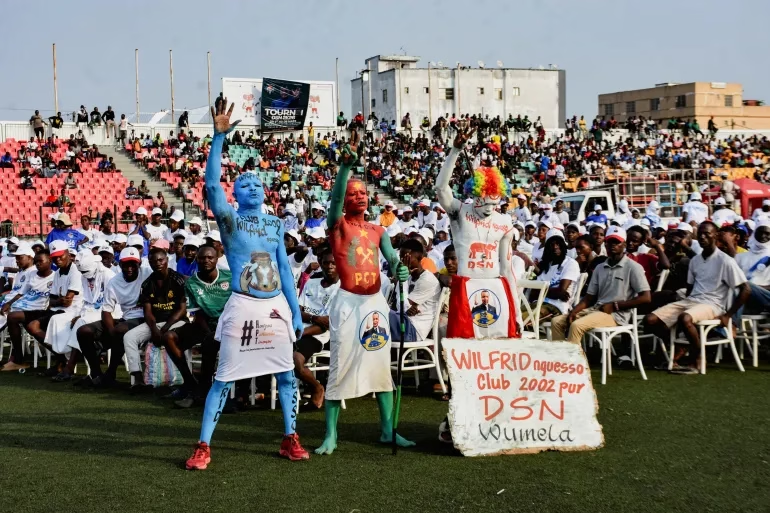
The 2026 Congo presidential election marks another chapter in the country’s political history, with Denis Sassou Nguesso extending his leadership. While the official results point to continuity, the debates surrounding the election highlight important questions about democracy, governance, and the future of political systems in Africa.
As the country moves forward, the challenge will be to balance stability with the need for reform, ensuring that governance structures evolve to meet the expectations of citizens and the international community.
🔗 Source Links
- https://www.bbc.com/news/world/africa
- https://www.reuters.com/world/africa
- https://www.aljazeera.com/africa
- https://www.africanews.com
Shop this season on Comilmart.com
- Share

Direct Gist
Recent Posts
- Top 10 AI Tools Students Can Use to Learn Faster & Be More Productive in 2026

- How to Make Money Online as a Student in 2026 (Step-by-Step Guide)

- Top 10 Most In-Demand Jobs in 2026 (With Salary Insights & Career Paths)

- Best Free Online Courses in 2026 to Boost Your Career (No Payment Required)

- Top 10 High-Income Skills You Can Learn in 2026 Without a University Degree

- Lebanon Crisis Deepens as Mass Displacement Nears One Million Amid Escalating Conflict
- Ukraine War Forces Thousands of Children Into Underground Classrooms as Humanitarian Crisis Deepens